
Trending Keywords
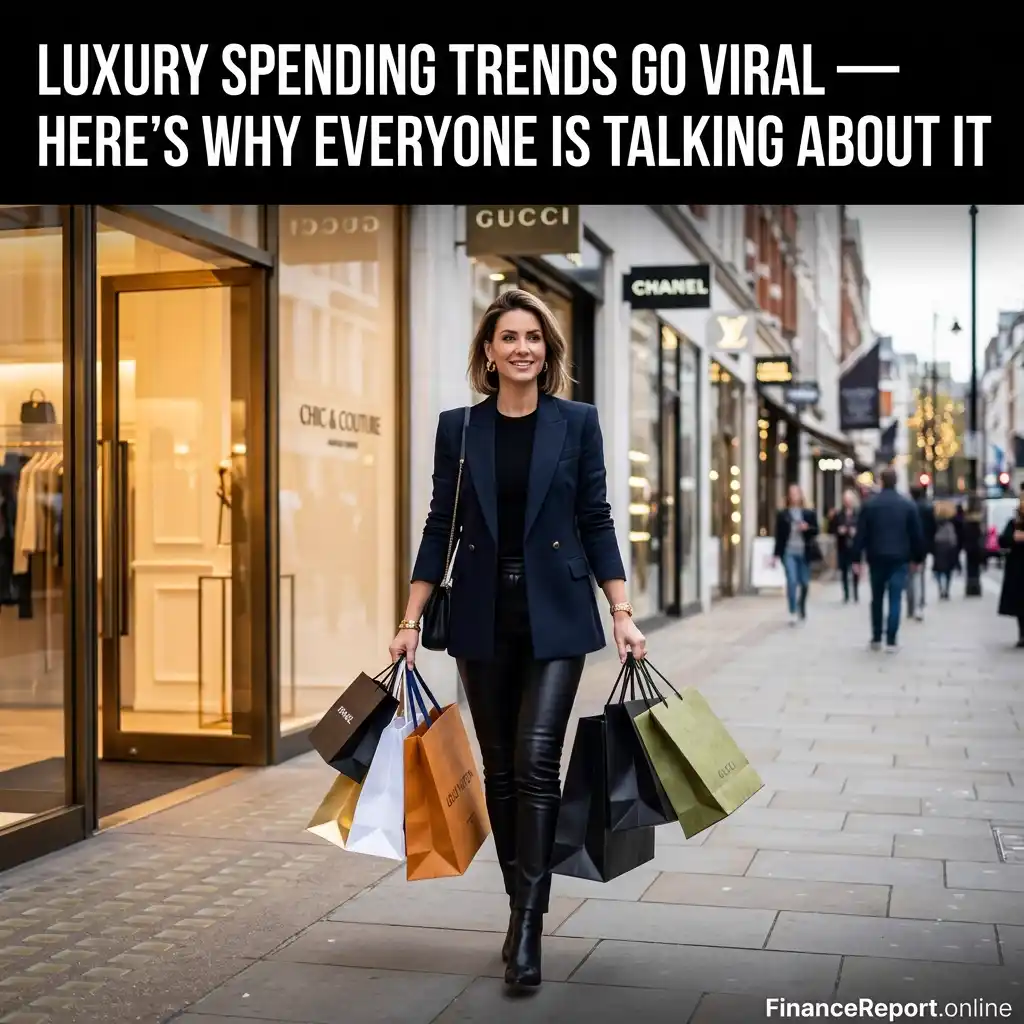
The current surge in luxury spending trends has baffled economists as high-end sales reach record highs during a visible economic slowdown. Analysts are scrambling to understand why wealthy consumers and aspirational shoppers alike are flocking to premium brands when the broader economy is struggling.
This paradox is reshaping our understanding of consumer behavior. While the average household is cutting back on essentials, the luxury market growth in 2026 suggests that the appetite for expensive products is stronger than ever. This trend matters now because it highlights a growing divide in economic resilience and a shift in the psychology of wealth.
The Paradox: Luxury Sales Defy Gravity
In recent months, major luxury conglomerates like LVMH, Kering, and Hermès have reported surprise earnings beats, driven by strong sales in Europe, the US, and emerging markets. This economic slowdown luxury sales surge is not limited to fashion; luxury watches demand and high-end automotive sales are also hitting new peaks. Who is involved? It's a combination of ultra-high-net-worth individuals and a resilient upper-middle class that seems insulated from the current economic pinch.
The latest luxury market news reveals that brands are capitalizing on this by increasing prices even further, creating an aura of extreme exclusivity. Wealthy consumers' spending habits are shifting toward "investment pieces"—items that hold or increase in value over time, such as limited-edition handbags and rare timepieces. This flight to quality is a key driver of the current boom.
However, it's not just the ultra-rich. Aspirational spending trends among younger consumers are also playing a significant role. Many are choosing to buy one high-quality, expensive item rather than multiple cheaper alternatives, a behavior dubbed "quality over quantity." This shift has kept premium brands' growth on an upward trajectory despite broader recession shopping trends.
Social Buzz: "Rich People Problems" Go Viral
The trend has ignited a firestorm of social media buzz. On TikTok and Instagram, videos showcasing "unboxings" of five-figure handbags and tours of exclusive luxury boutiques are garnering millions of views. The internet reactions are a mix of fascination, envy, and criticism, with many questioning the ethics of such conspicuous consumption during a time when many are facing a cost-of-living crisis.
Memes about "quiet luxury" vs. "loud luxury" are trending, as users debate the best ways to signal wealth in 2026. Financial influencers are analyzing luxury spending psychology, explaining why people buy luxury items as a form of emotional comfort or social signaling during stressful times. This public discourse has kept the topic at the forefront of cultural conversation.
The Psychology: Why Luxury Survives Recessions
To understand why this is happening, we must look at the history of luxury consumer behavior. Economists have long noted that true luxury goods often behave as "Veblen goods"—products for which demand increases as the price increases, because they confer status. During past slowdowns, luxury brands have often proven to be remarkably recession-proof.
Part of this is due to the "lipstick effect," a theory that consumers will still buy small luxury items even during an economic crisis. In 2026, this effect has scaled up to include designer accessories and premium travel. Furthermore, high-income consumer trends show that the wealthy often see asset appreciation during periods of inflation, leaving them with more disposable income to spend on luxury lifestyle trends.
Conclusion: What Happens Next?
As we move forward, the luxury goods industry will likely continue to thrive, provided they maintain their perception of extreme exclusivity and quality. However, if the economic slowdown deepens into a full-blown global recession, even the most resilient brands may feel the pinch. Future updates will depend heavily on consumer confidence and central bank policies in late 2026.
Frequently Asked Questions (FAQs)
1. Why is luxury spending increasing during an economic slowdown?
Luxury spending often increases because high-income consumers are less affected by inflation and job losses. Additionally, many consumers view luxury items as investments or use them for social signaling and emotional comfort during uncertain times.
2. What are Veblen goods?
Veblen goods are luxury items for which demand increases as the price goes up, because their high price makes them more desirable as symbols of wealth and status.
3. Which luxury brands are considered recession-proof?
Brands with long histories, strict control over supply, and a focus on ultra-high-net-worth clients (like Hermès or Rolex) are generally considered the most recession-proof.
4. How does luxury consumer behavior change during a crisis?
During a crisis, consumers tend to shift away from trendy items and toward classic, timeless "investment" pieces that are perceived to hold their value better.
5. What is the difference between aspirational spending and high-net-worth spending?
High-net-worth spending comes from individuals with significant wealth who buy luxury regularly. Aspirational spending comes from middle-income consumers who save up to buy occasional luxury items to feel a sense of success or status.
Check out this URL to watch multiple videos from various social media platforms in one place: Click here