
Trending Keywords
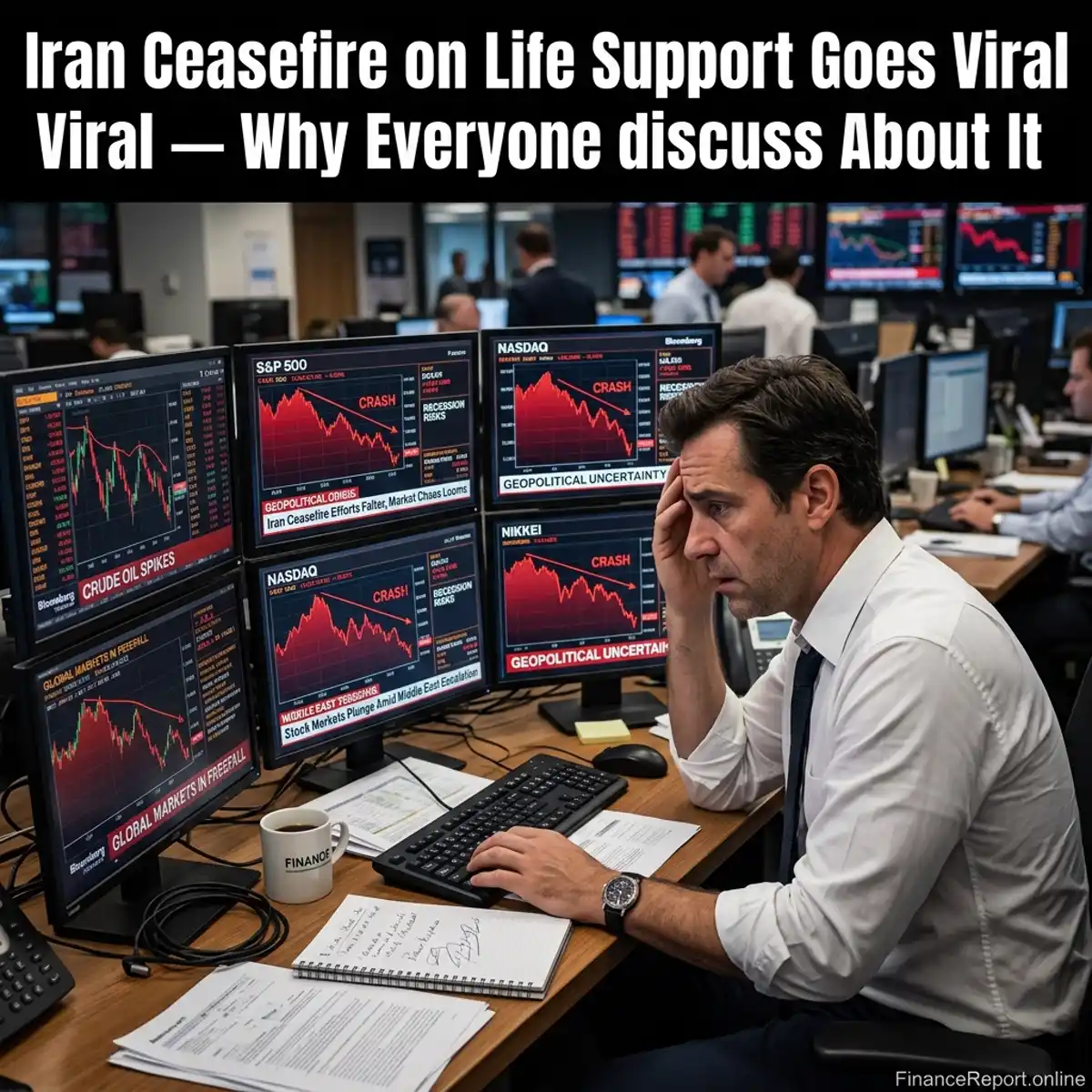
The news that the Iran ceasefire on life support is trending heavily after U.S. President Donald Trump admitted the truce was "unbelievably weak." This revelation has sent shockwaves through global markets, causing oil prices to surge and pausing the recent AI stock rally.
This topic matters now because it directly impacts global energy security and financial stability. With Brent crude topping $104 per barrel, consumers and investors alike are bracing for the ripple effects of renewed conflict in the Middle East.
The Fracture: Trump Admits Truce is Fragile
What happened? After weeks of maintaining that the ceasefire between the U.S./Israel and Iran was holding, President Trump acknowledged on Tuesday that it is effectively on life support. This admission followed continued military strikes from both sides despite the supposed truce.
Who is involved? The key players are the United States, Iran, and Israel, with global energy markets reacting in real-time. The latest developments show Brent futures rising nearly 3% to close at $104 per barrel, while U.S. West Texas Intermediate also climbed significantly. The Saudi Aramco CEO warned that if the Strait of Hormuz remains disrupted, market normalization could stretch into 2027.
In response to the surging oil prices, Trump and congressional Republicans are floating a suspension of the federal gas tax to ease pump prices ahead of the upcoming midterm elections. However, the damage to energy flows may linger far longer than the immediate political fixes can address.
Social Media Reaction: Anxiety Over Inflation
The public reaction has been swift and filled with anxiety. Social media buzz is centered on the fear of another wave of inflation driven by energy costs. On platforms like X and Reddit, users are discussing the potential return to $5 gas and criticizing the effectiveness of the administration's foreign policy.
Internet reactions also show a divide between those predicting a broader market crash and those noting Wall Street's ability to compartmentalize the crisis. While energy stocks are up, tech and AI sectors have paused their rally, reflecting investor caution. The topic is trending because it combines geopolitics, personal finance, and market speculation into one urgent story.
Context: A Conflict That Never Truly Stopped
To understand the background, one must look at the U.S. and Israeli-led war against Iran that started on February 28. Crude prices have risen more than 40% since the conflict began, highlighting the vulnerability of global supply chains to Middle Eastern instability.
Past history shows that ceasefires in this region are often fragile, used by both sides to regroup rather than build lasting peace. The current situation is complicated by the upcoming summit between Trump and Chinese President Xi Jinping. China is a major buyer of Iranian oil, making them a crucial player in how this conflict resolves. High-powered CEOs like Elon Musk and Tim Cook are expected to accompany Trump, signaling that trade and tech are intertwined with these geopolitical tensions.
Conclusion: What Happens Next?
What happens next depends on the outcome of the U.S.-China summit and whether military actions escalate further. Investors are also anxiously awaiting the upcoming U.S. CPI inflation data, which will reveal the extent of the damage already done by the oil surge. Future updates are expected as the summit unfolds later this week.
Frequently Asked Questions (FAQs)
1. Why is the Iran ceasefire considered "on life support"?
President Trump used this phrase to acknowledge that both sides have continued military actions despite the agreed truce, making the peace agreement incredibly weak.
2. How high have oil prices risen?
Brent crude topped $104 per barrel, and prices have risen more than 40% since the conflict began in late February.
3. What is the U.S. government doing about high gas prices?
The administration is floating a potential suspension of the federal gas tax to help consumers at the pump.
4. Who is attending the summit with China?
President Trump is expected to be accompanied by a group of high-profile CEOs, including Elon Musk (Tesla), Tim Cook (Apple), and Larry Fink (BlackRock).
5. How has the stock market reacted?
While oil and energy stocks rose, the AI-driven tech rally paused as investors weighed the risks of inflation and geopolitical instability.
Check out this URL to watch multiple videos from various social media platforms in one place: Click here